In today’s mobile-first world, an e-commerce app is more than just a digital storefront. It’s an experience engine that maximizes sales and user retention. It is all about creating a seamless, engaging, and trustworthy experience that encourages buying and staying loyal.
To do that, businesses require a strategic blend of UX design, technology, psychology, and data. With rising competition and a shrinking attention span, success depends on how well you drive sales and engagement.
This guide will explain how to build an e-commerce app that boasts sales while keeping users engaged without complicating things.
Define Strong Value Proposition
Every successful e-commerce app starts with a clear reason to exist. When someone opens your app, they should immediately understand what makes it worth their time. Whether it is faster delivery, better prices, unique products, or a more curated experience.
If the user feels confused or overwhelmed at their first impression, they are likely to leave. A strong value proposition sets expectations and builds initial trust, which plays a critical role in whether users continue exploring the app or abandon it immediately.
Excellent User Experience
User experience is one of the biggest drivers of both conversion and retention. The best apps out there offer a natural and fluid feel that makes all the difference. Furthermore, the navigation should be fast, accurate, and optimized for one-handed mobile use.
Additionally, special attention should be given to the checkout experience, where many potential sales are lost. Let users check out as guests, keep forms short, offer multiple payment options, and clearly show how close they are to completing their order. The easier it feels, the more likely users are to buy.
Use Personalisation
When users see products, offers, and recommendations tailored to their interests, they are more likely to engage and make repeat purchases. When done right, it appears more as a basic user expectation than a competitive advantage.
It is also important to stay transparent and let users control what they want to see. When users trust how their data is used, they’re more comfortable sticking around. Modern e-commerce apps must adapt to individual preferences, browsing behavior, and purchase history to remain relevant.
Build Trust at Every Step
Trust is the foundation of every successful e-commerce app. Without it, users will hesitate to share their personal and payment details. Make sure that the app showcases clear pricing, honest product descriptions, real reviews, and visible security cues.
After every purchase is made, ensure timely order confirmations are sent, real-time tracking, and accurate delivery updates are shared. When a user feels more informed and secure, they are more likely to return for their next purchase.
Prioritize Speed and Performance
No one likes slow or buggy apps, especially when money is involved. If the pages take too long to load or the app keeps crashing during checkout, they are likely to uninstall and never return. These troubles usually occur during peak traffic periods, such as sales or festive seasons.
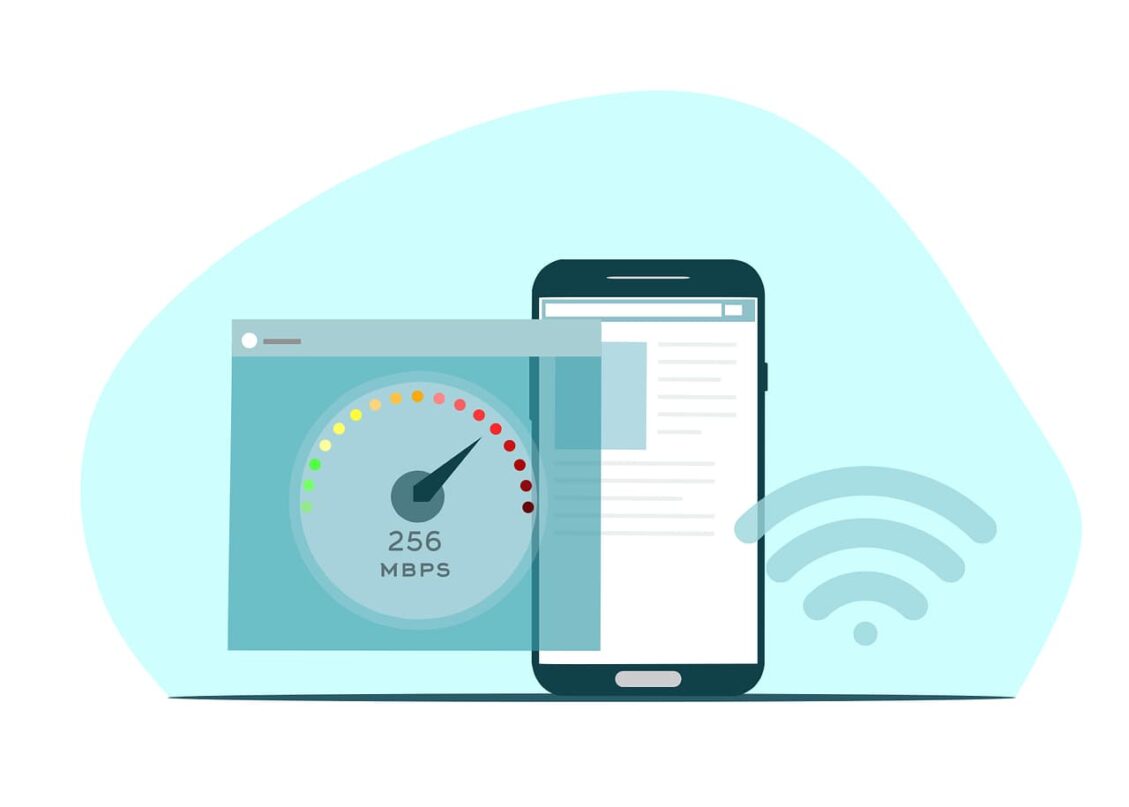
An e-commerce app must perform flawlessly with strong performance, quick load times, optimized APIs, and efficient caching to respond better under heavy load. Even small performance improvements can have a significant impact on conversion rates.
Loyalty Rewards and Gamification
Retention always improves when users feel rewarded for choosing your app. Loyalty programs, referral benefits, cashback, or exclusive deals make users feel valued and appreciated.
Additionally, simple gamification, such as unlocking perks after a few purchases or offering limited-time deals, makes the shopping feel more engaging. Over time, these small incentives help turn occasional shoppers into regular customers.
Use Push Notifications Strategically
Push notifications are a powerful tool when used well. Poorly timed or irrelevant notifications can annoy users and lead to app uninstallations. While well-targeted messages are received well and significantly boost engagement.
Notifications should be behavior-driven, personalized, and limited in frequency. Alerts about abandoned carts, price drops, and other updates that are useful improve retention and trust. Giving control to users control over the notifications adds another layer of trust and sales.
Final Thoughts
At the end of the day, successful e-commerce apps focus on people, not just products. When shopping feels simple, reliable, and rewarding, users naturally return.
By combining easy design, thoughtful personalization, solid performance, and genuine care for the user experience, your app can grow into more than just a place to shop. It can become a habit that users trust and enjoy.